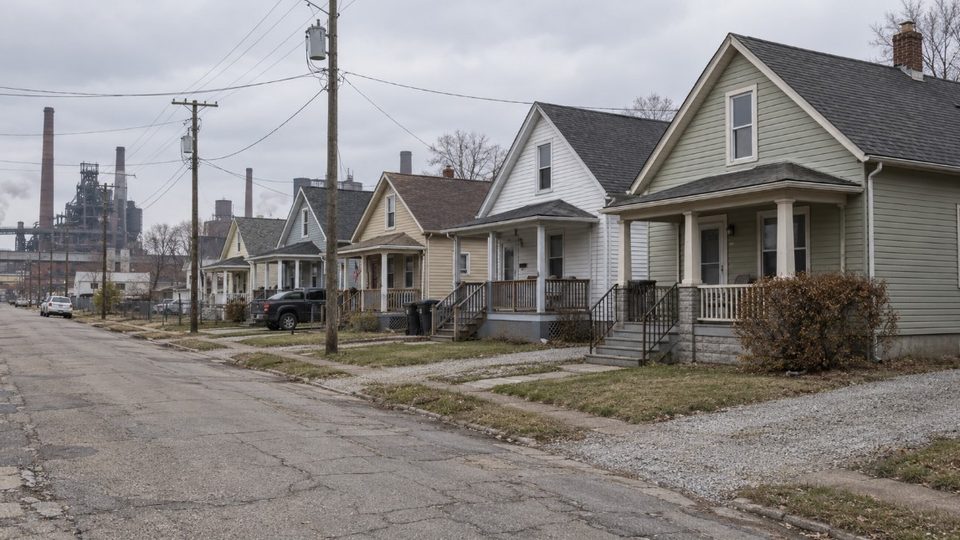
Small Older Houses, and the Advantage of an Unfinished Basement
The Franklin area is older, modest worker housing on tight lots near what was historically the industrial side of the city. The houses are small, frame, one-and-a-half stories, built economically and built to be lived in rather than admired.
Their basements are usually unfinished, and that is genuinely good news. The single biggest factor in what a mold problem costs is whether it is visible, and in an unfinished basement it is. Remediation in an open basement runs roughly $1,200 to $3,500; the same problem behind a finished wall runs $4,000 to $12,000 and is typically found years later when it is far more extensive. If you own one of these houses, the temptation to finish the basement is the main risk to manage.
Serving Franklin, WI
Call and tell us what is happening in your Franklin property. A specialist will talk it through with you — free, and with no obligation.
(608) 724-1919Free phone consultation.
The Rim Joist, Which Nobody Inspects
The rim joist — the band of framing sitting on top of the foundation wall, carrying the floor above — is the coldest wood in a Wisconsin building through the winter. In this housing it is almost always packed with a bare fiberglass batt, which stops neither air nor vapor and holds whatever condenses against the framing.
It is also almost never looked at, because it is behind the insulation and above head height at the edge of the basement. The check takes two minutes: pull back a section of batt at the coldest corner of the house and look at the wood with a flashlight. Dark staining, damp framing or frost in winter all mean the same thing. Correcting it — spray foam or cut-and-cobble rigid foam, air sealed — is one of the higher-value small jobs available in this housing.
Grading, and Where the Water Actually Comes From
Tight lots, short setbacks and a century of soil settlement. A great deal of the water in these basements is falling within three feet of the wall and has nowhere else to go. In a lot of cases the ground now slopes gently toward the house, and the downspouts discharge straight onto it.
This is the cheapest fix in the whole of this site and the most consistently skipped. Downspout extensions carrying discharge six to ten feet clear of the foundation, and soil built up to fall away from the wall for the first six feet, will remove more water from a Franklin basement than any interior system. It costs very little and it is worth doing before spending anything else.
Rental Stock and Deferred Maintenance
A fair proportion of the housing here is rented, and the pattern that produces is recognizable: problems get painted over between tenancies rather than traced. A basement or bathroom wall that has been repainted three times is usually telling you something, and the paint layers themselves are a rough timeline.
For tenants: Wisconsin has no mold-specific statute, which does not mean there is no remedy — it means the route runs through habitability and repair obligations. Put the complaint in writing and keep a copy, photograph and date everything, and give the landlord a reasonable opportunity to act. Written notice is what makes every later step possible. See mold in a Wisconsin rental.
What Works Here
- Downspout extensions and grading, before anything else
- Rim joist checked, then air sealed and insulated properly
- Keep the basement unfinished, or finish it with rigid foam against the masonry
- A dehumidifier plumbed to a drain, April to October
- Storage on shelving, not on the slab
- For rentals: everything in writing, dated, with photographs
What We Get Called About Most in Franklin
Ranked by how often it comes up, and tied to the buildings that are actually here rather than to mold in general.
- Small older houses with unfinished basementsThe Franklin area is older, modest worker housing on tight lots. Basements are usually unfinished, which is a genuine advantage: the problem is visible, and remediation costs a fraction of what it does behind a finished wall.
- Rim joists stuffed with bare fiberglassThe band of framing sitting on top of the foundation is the coldest wood in the building through a Wisconsin winter. Packed with a bare batt and never inspected, it is a reliable condensation surface.
- Grading that runs toward the houseSmall lots, short setbacks, and decades of settlement. Much of the water in these basements is falling within three feet of the wall and has nowhere else to go.
- Rental turnover and deferred maintenanceA fair proportion of this stock is rented. Problems get painted over between tenancies rather than traced, and the same wall is repainted several times before anyone opens it.
Neighborhoods and Sections We Cover in Franklin
Mold Services Available in Franklin
Mold Inspection
Thermal imaging and moisture metering to find the source before anything is opened up.
Basement Mold Removal
The dominant mold problem in Franklin — finished basement walls, limestone and block foundations, and sump failures.
Black Mold Removal
Full containment for water-damage indicator species, plus finding the sustained water source that let it establish.
Attic Mold Removal
Sheathing and rafter growth traced back to ventilation, bath fans or ice damming.
Water Damage & Flood Mold
Frozen and burst lines, sump failures and Rock River flooding — the 24 to 48 hour response window.
Clearance Testing
Independent verification by someone who did not perform the remediation.
What Mold Work Costs in Franklin
General market ranges for south-central Wisconsin, listed for the situations that actually come up in Franklin. These are planning figures rather than quotes — nobody can price a job they have not seen, and what moves a number most is the size of the wet area rather than the stained area. The full cost guide explains what drives each one up or down.
| Work | Typical range | Notes |
|---|---|---|
| Mold inspection with thermal imaging and moisture metering | $250–$600 | Most projects should start here |
| Unfinished basement clean, treat and dehumidify | $1,200–$3,500 | No finishes to remove |
| Small contained area — one wall section, a closet, behind a water heater | $500–$1,500 | Under roughly 10–30 sq ft |
| Single room | $1,200–$3,800 | Containment, removal, drying, clearance |
| Rim joist remediation and air sealing | $800–$2,500 | The coldest wood in the building |
| Independent post-remediation clearance testing | $400–$900 | Should not be the same firm that did the work |
Prices shown are examples only. For an accurate quote for your specific situation, call (608) 724-1919 — free consultation with a specialist.
Mold FAQ — Franklin, WI
It is the decision most likely to cost you money later, so it is worth being deliberate. The space is genuinely useful and the temptation is understandable. But finishing it converts a visible, cheap problem into an invisible, expensive one, and in this housing the walls are old enough that they are still transmitting moisture. If you do it, do it properly: correct the exterior water first, run a hygrometer through a full summer, then build with rigid foam against the masonry, paperless board and no carpet on the slab.
Go to the coldest corner of the basement — usually a north or west corner — and pull back a section of the fiberglass batt sitting in the joist bay above the foundation wall. Look at the framing with a flashlight. You are looking for dark staining, damp-feeling wood, or in winter actual frost. Check two or three bays on different walls. If the batt itself is damp or compressed, that is a finding too. Put it back loosely; it was not doing much anyway.
Start a written record today, because that is what everything else depends on. Email or letter rather than a text or a conversation, describing what you see, where, and when it started. Photograph it with a date. Keep a copy of everything you send. Then give a reasonable time to respond. Wisconsin has no mold statute, so the route is habitability and repair obligations, and those require documented notice. Without the paper trail there is very little to act on later.
Possibly very little. On this housing the first thing to try is downspout extensions and regrading, which frequently costs a few hundred dollars and solves it outright, because the water is landing within a meter of the wall. If that does not resolve it, an unfinished basement clean, treat and dehumidify runs $1,200 to $3,500. Interior drainage systems are a much larger spend and should be the last option rather than the first quote you get.