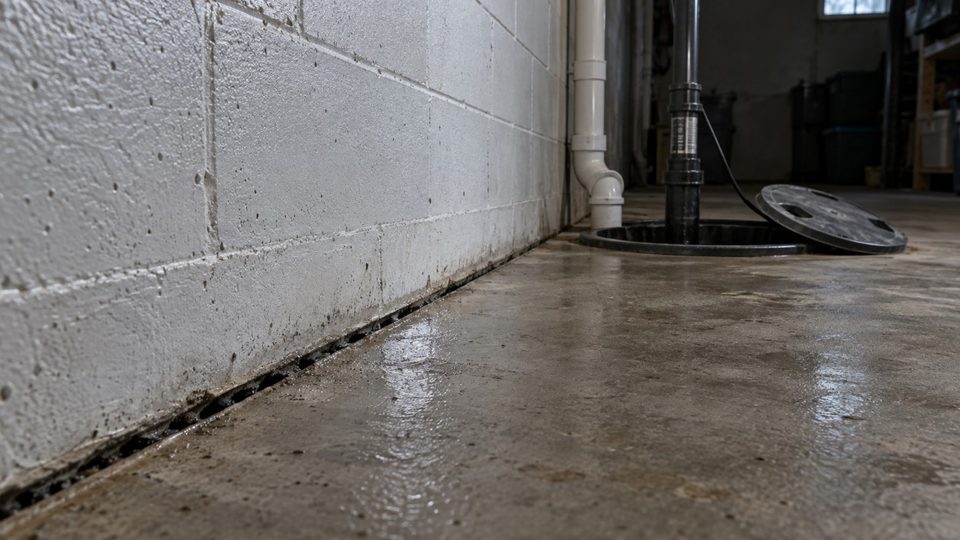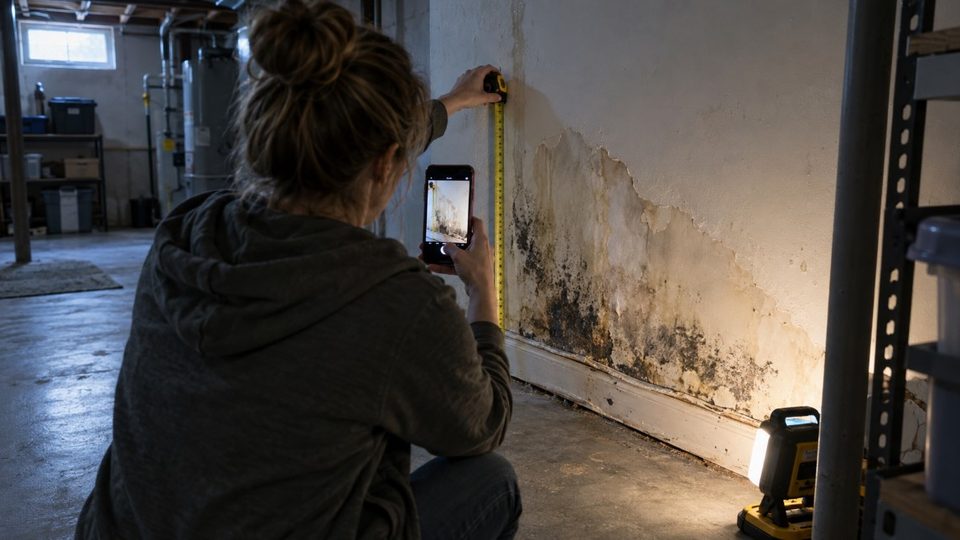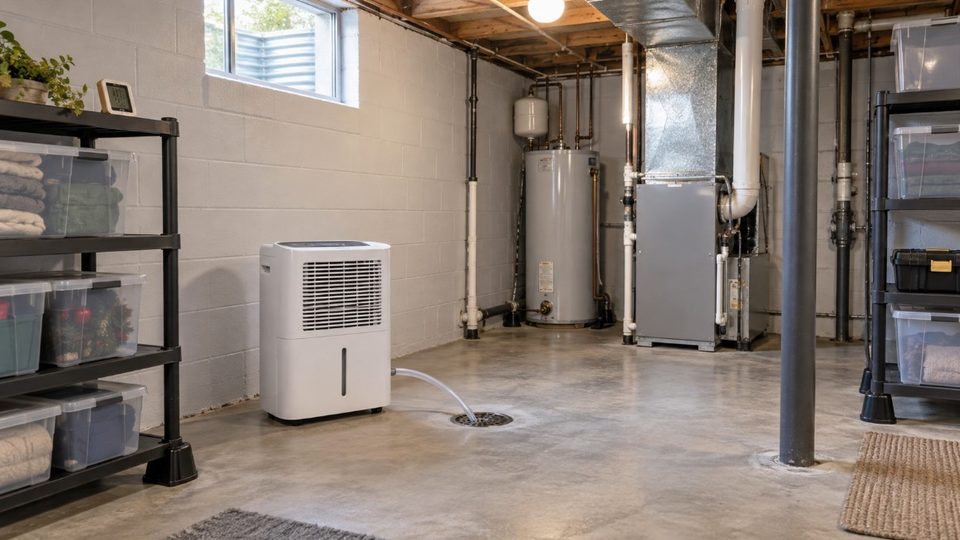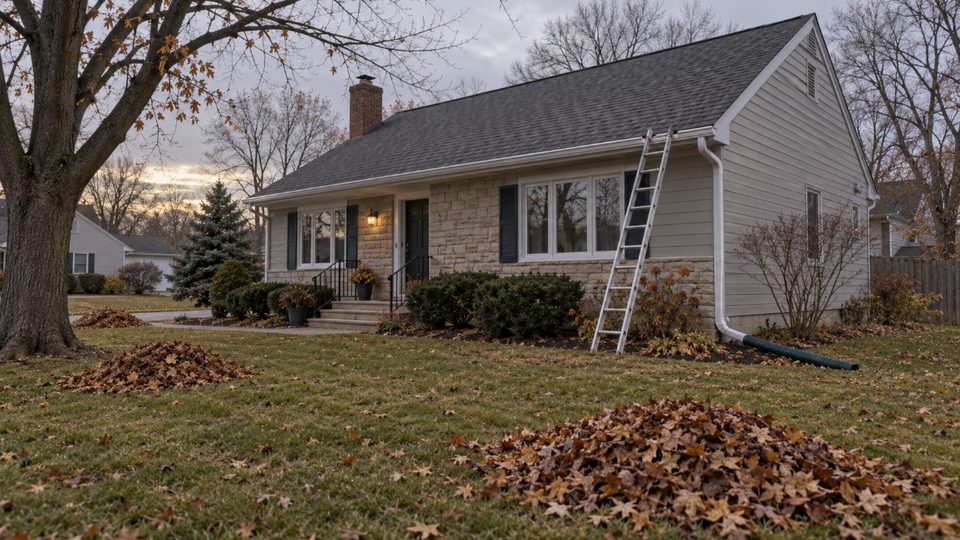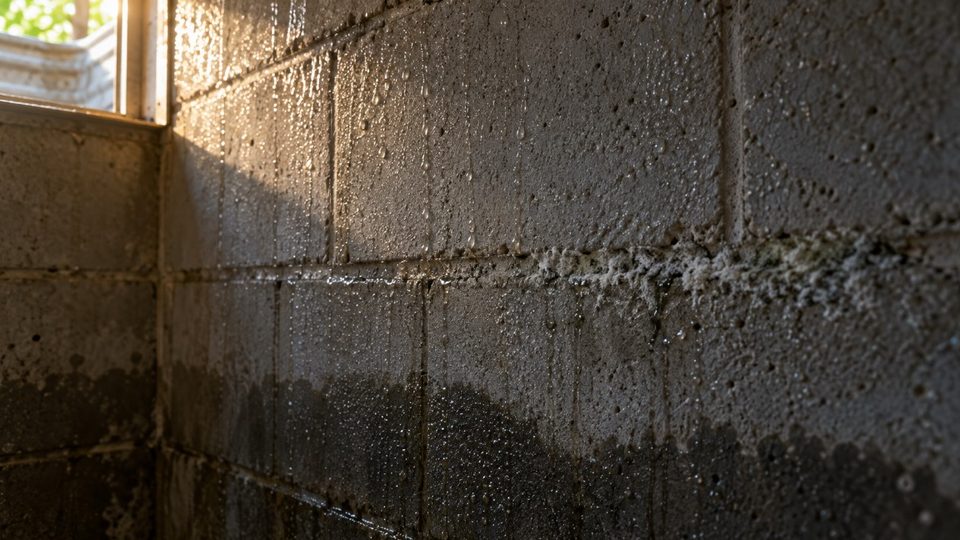
Your Basement Is Damp in July and Dry in January. That Is Not a Leak.
The single most misdiagnosed problem in Janesville housing. Why the season tells you the mechanism, and why opening the basement windows makes it worse.
Practical articles on mold in a Janesville home — basements and limestone foundations, ice dams and frozen lines, Rock River flooding, what the work costs here and what your insurance is likely to say. Written for the housing in this region by the authors who cover it.
The single most misdiagnosed problem in Janesville housing. Why the season tells you the mechanism, and why opening the basement windows makes it worse.
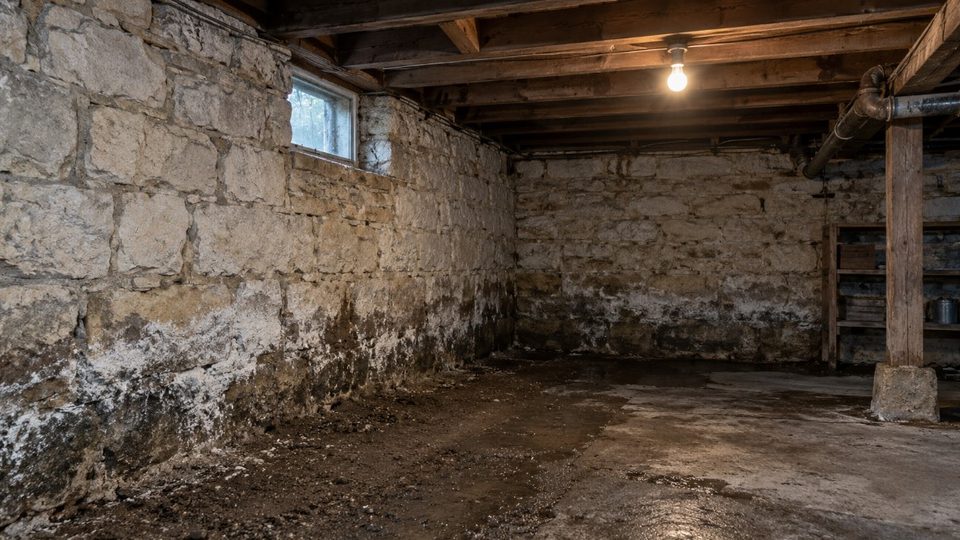
Courthouse Hill and the older village cores are built on laid-up limestone with no damp-proof course. These walls stay sound by drying inward. Here is what happens when somebody stops them.
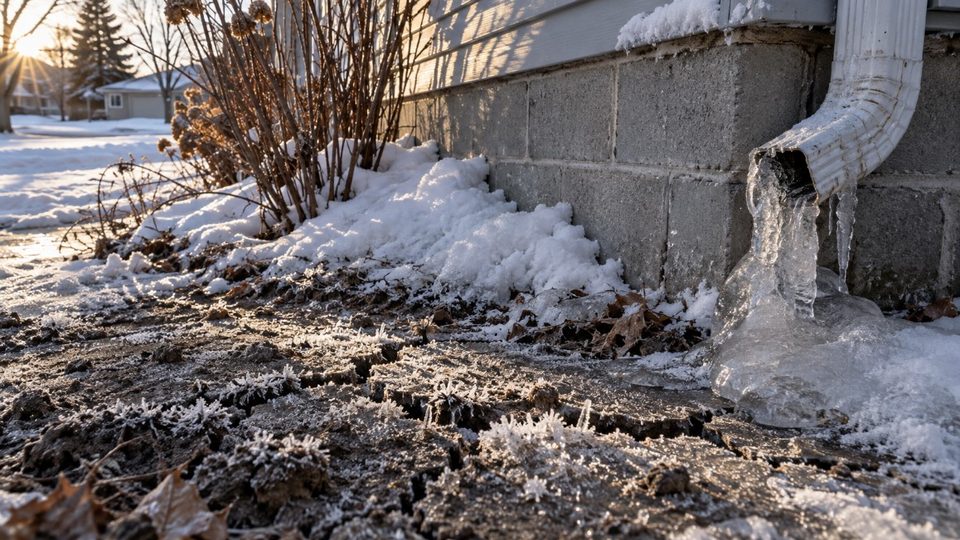
Southern Wisconsin frost reaches deeper than most homeowners assume. What that does to drainage, to footings, and to the wall you were thinking of finishing.
Rock County is an EPA Zone 1 county and roughly half of tested homes come back above the action level. Radon and moisture use the same routes in, which makes them one job.
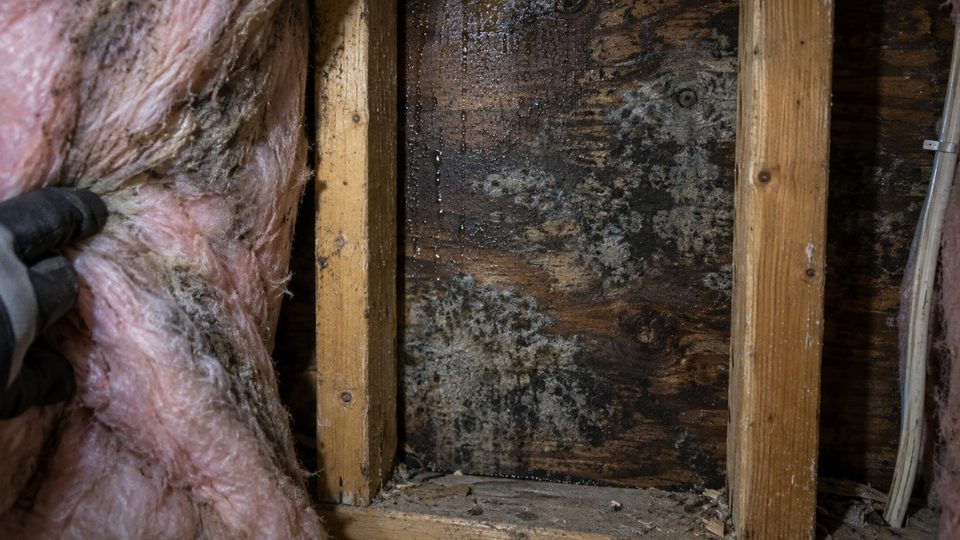
In a cold climate the moisture moves outward all winter and condenses on the back of the sheathing. Why warm-climate advice gets this exactly backwards.
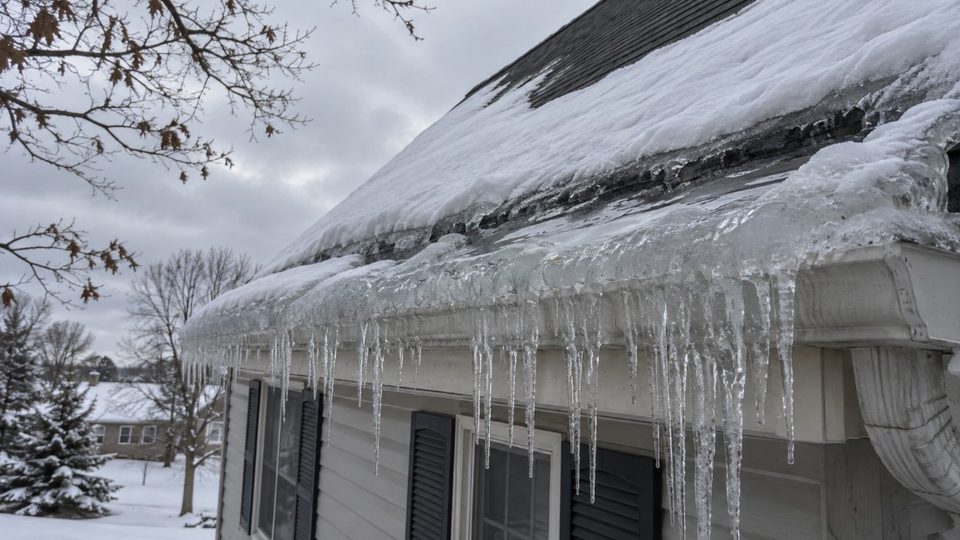
The damage happens in February and does not stain until July. How to read the eave, the attic and the ceiling below it.
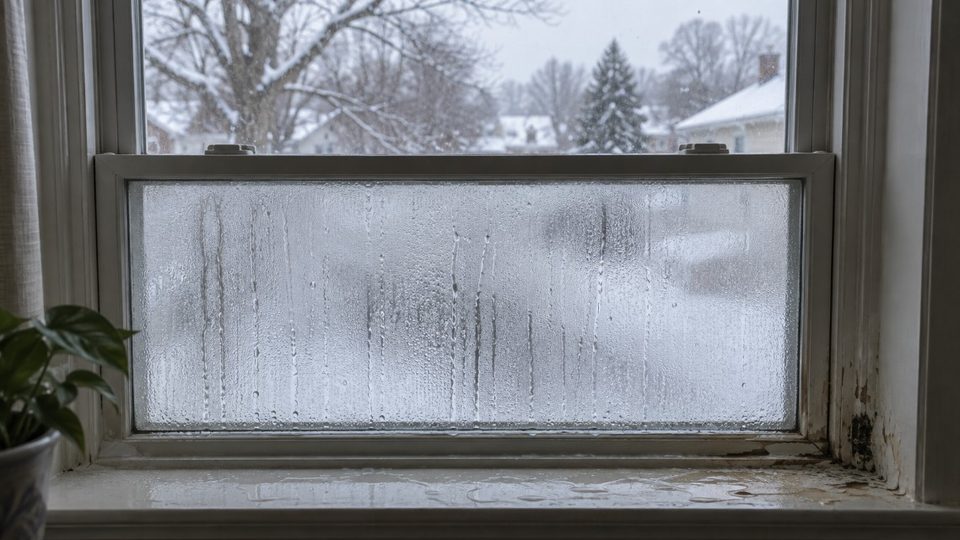
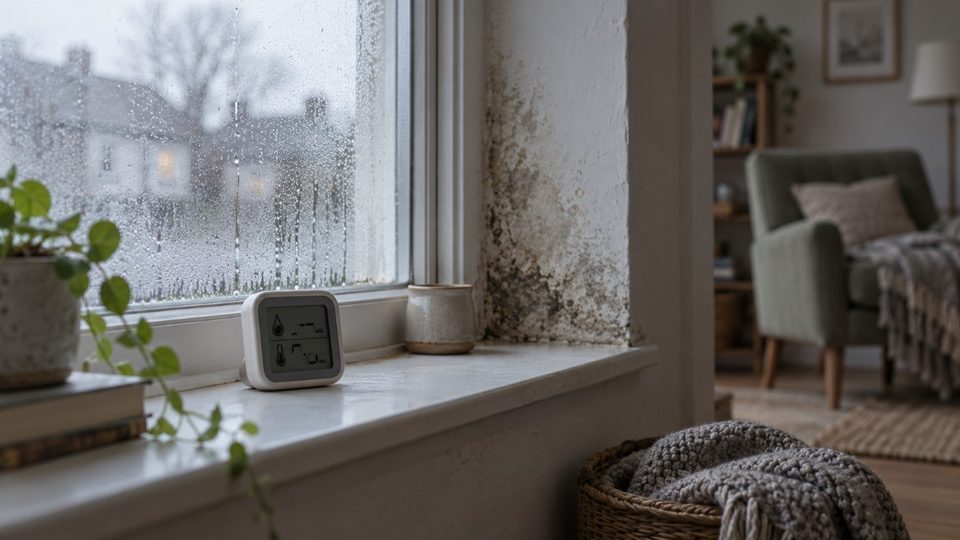
What the glass is telling you about the humidity in the house, and the point at which it stops being cosmetic and starts rotting the sill.
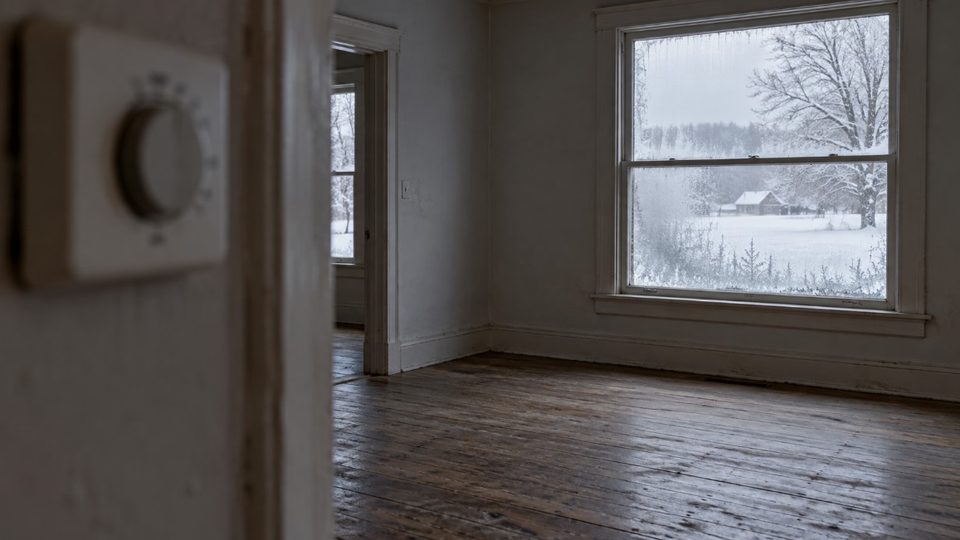
Vacant, seasonal and minimally heated buildings fail in a specific and predictable way. What to set, what to run, and what to check before you close it up.
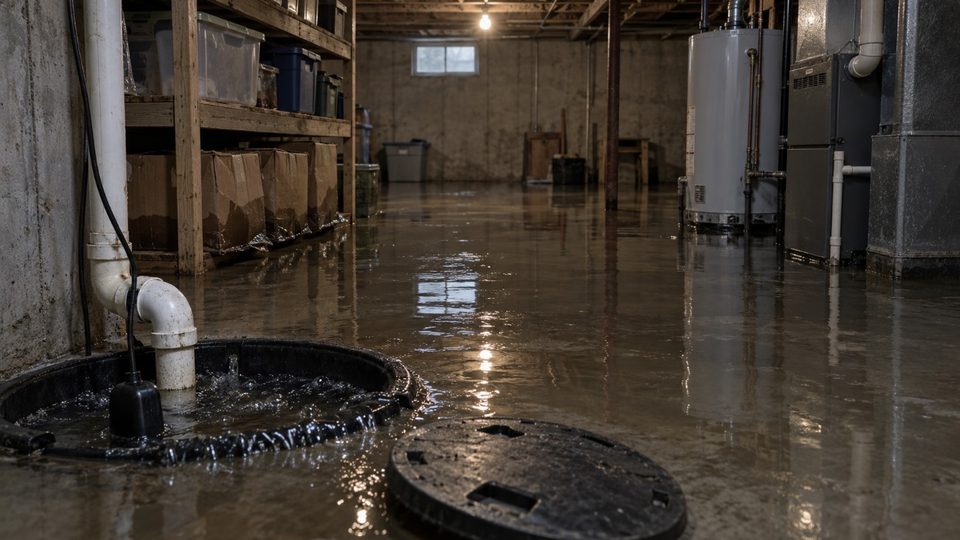
The flood was the event. The mold was what happened in the eight weeks afterwards, in houses that were dried out but never opened up.
Hour by hour, what actually happens to a finished basement after the pump stops, and the point at which the decision changes from drying to removal.
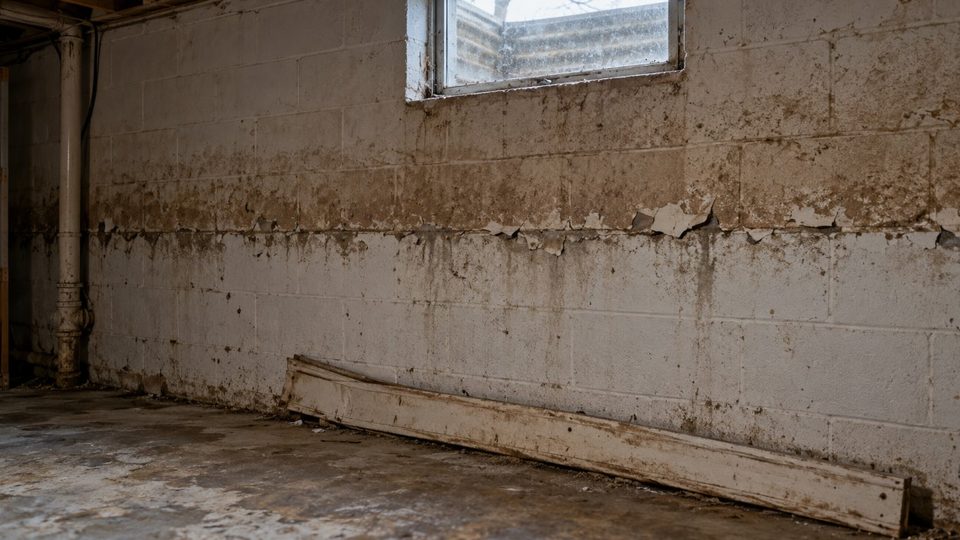
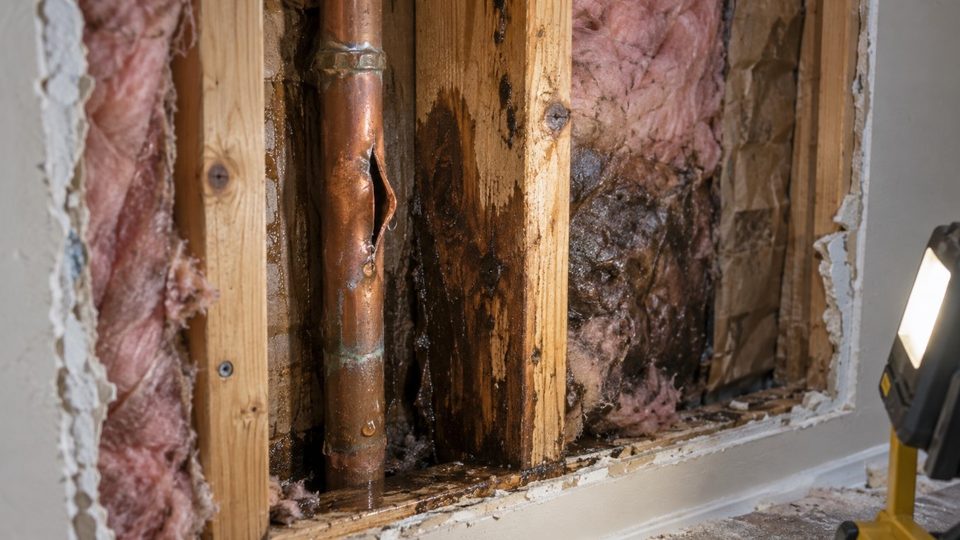
Why it is nearly always an outside wall, why the damage is worse than the water volume suggests, and what has to come out rather than be dried in place.
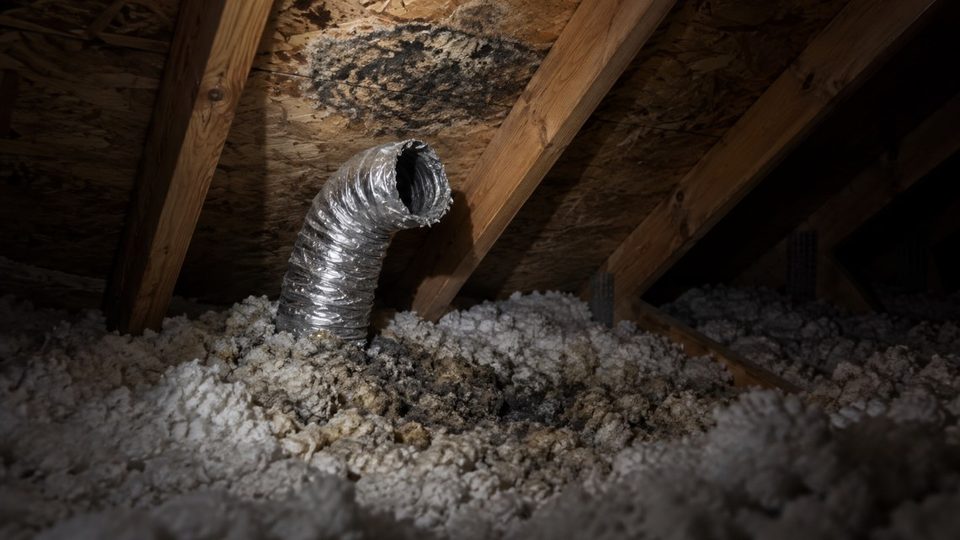
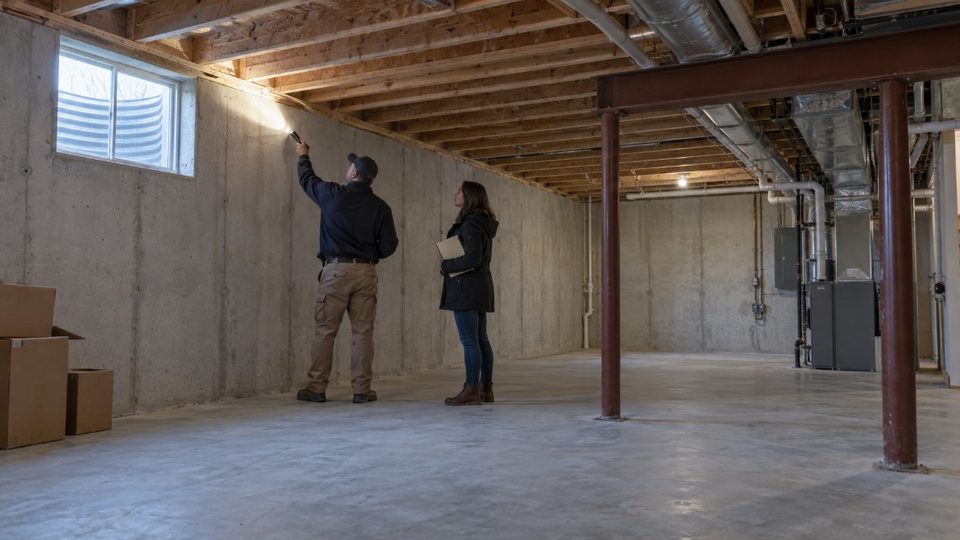
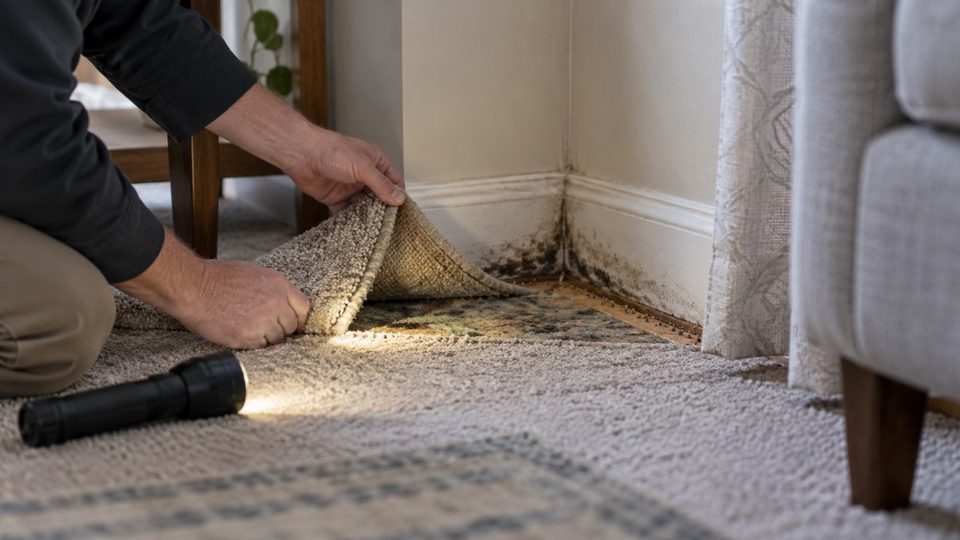
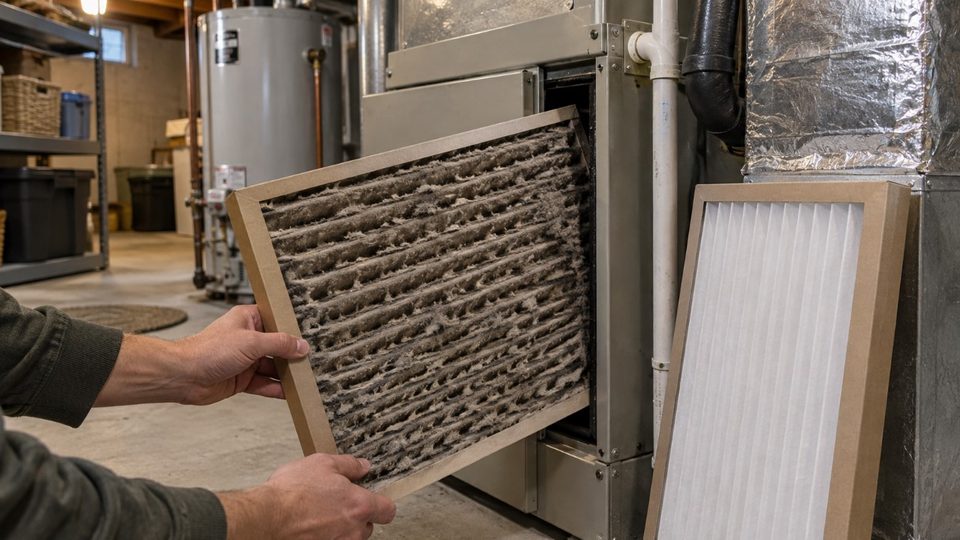
One of the most common and cheapest-to-fix mold sources in the county, and one almost nobody checks. Fifteen minutes with a flashlight.
Usually not the mold. Sometimes the water that caused it. What the sudden-and-accidental distinction means in practice, and how to document a claim so it survives.
The Real Estate Condition Report asks direct questions about moisture and defects. What has to be answered, and what a buyer should do with the answers.
There is no state mold statute, which does not mean there is no remedy. Habitability, written notice, and the order in which the steps have to happen.
The EPA's own square-footage guidance, what Wisconsin does and does not license, and the documents worth asking any contractor for before you sign.
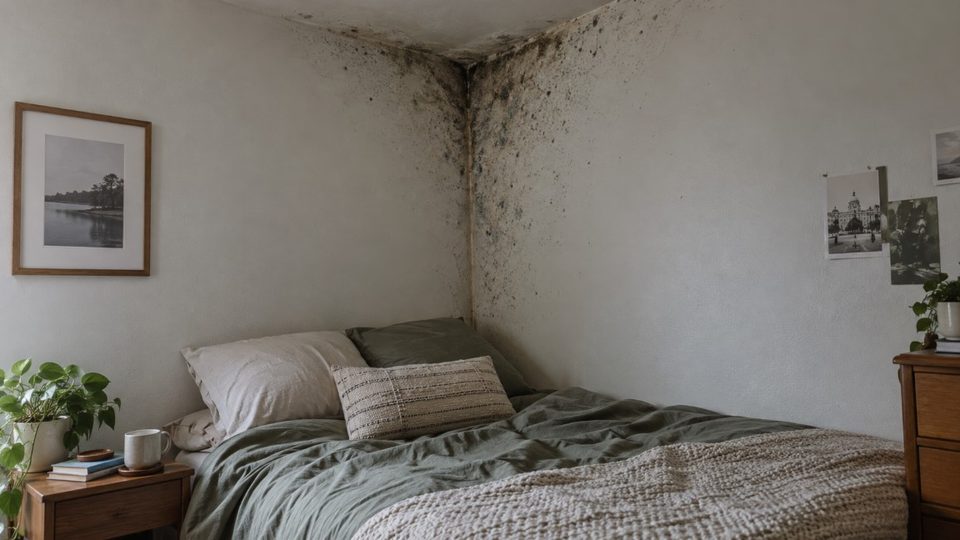
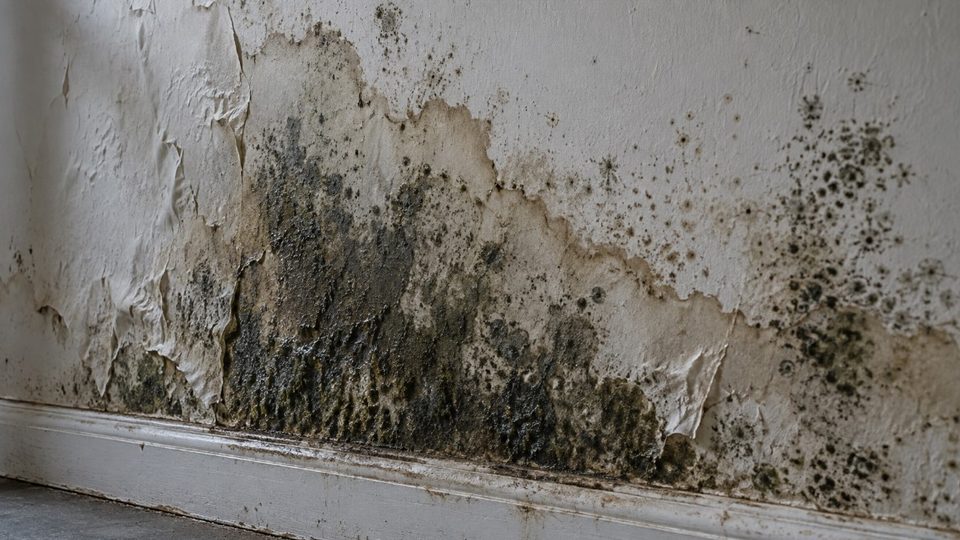
Including the five that are easy to mistake for something else, and the three that mean you should stop looking and make a call.
The Institute of Medicine and WHO reviews are clear about what damp buildings do and honest about what is unproven. A straight summary, without the scare copy.
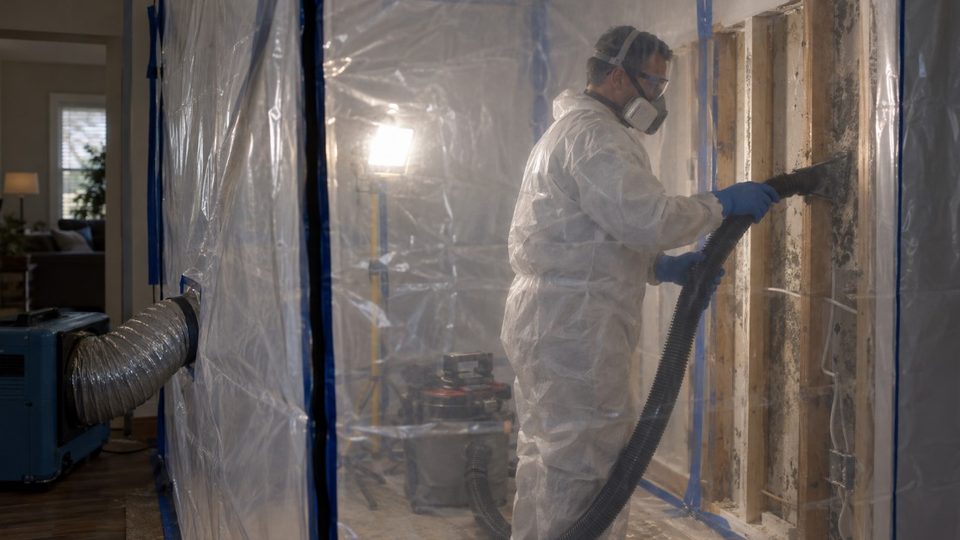
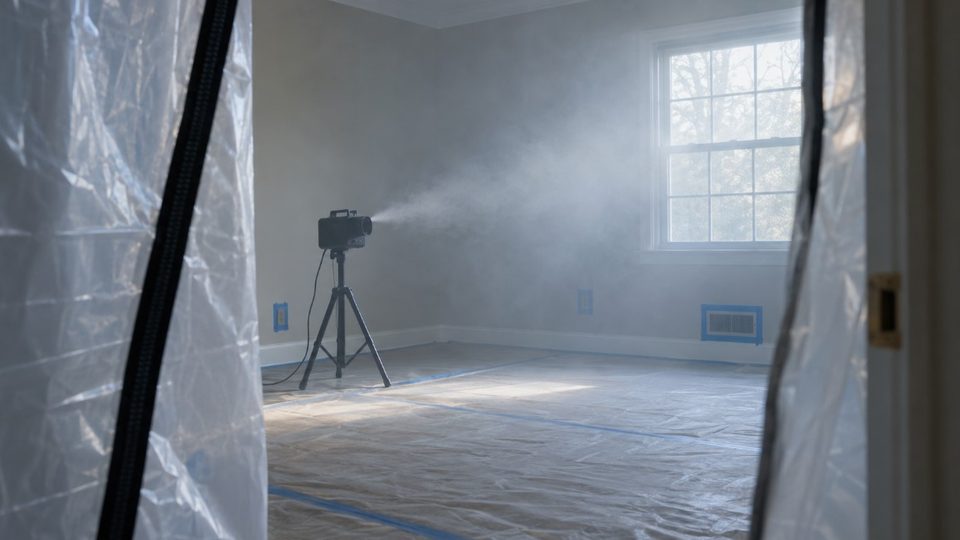
What Stachybotrys is, what it is not, why the color matters far less than the water behind it, and what a proper containment looks like.
A genuinely useful supplementary tool, sold surprisingly often as a replacement for removing wet material. The difference matters and it is easy to test for.
Source control, then ventilation, then filtration — in that order. Why an air purifier bought before the moisture is fixed is money spent on the symptom.
Five things that change the outcome in this climate, and the popular ones that do not.
A seasonal checklist built round the freeze-thaw cycle rather than a generic list copied from a warm-climate market.
Describe it on the phone instead. Free, answered around the clock, and you will get a straight read on whether it needs attention now.
Call (608) 724-1919